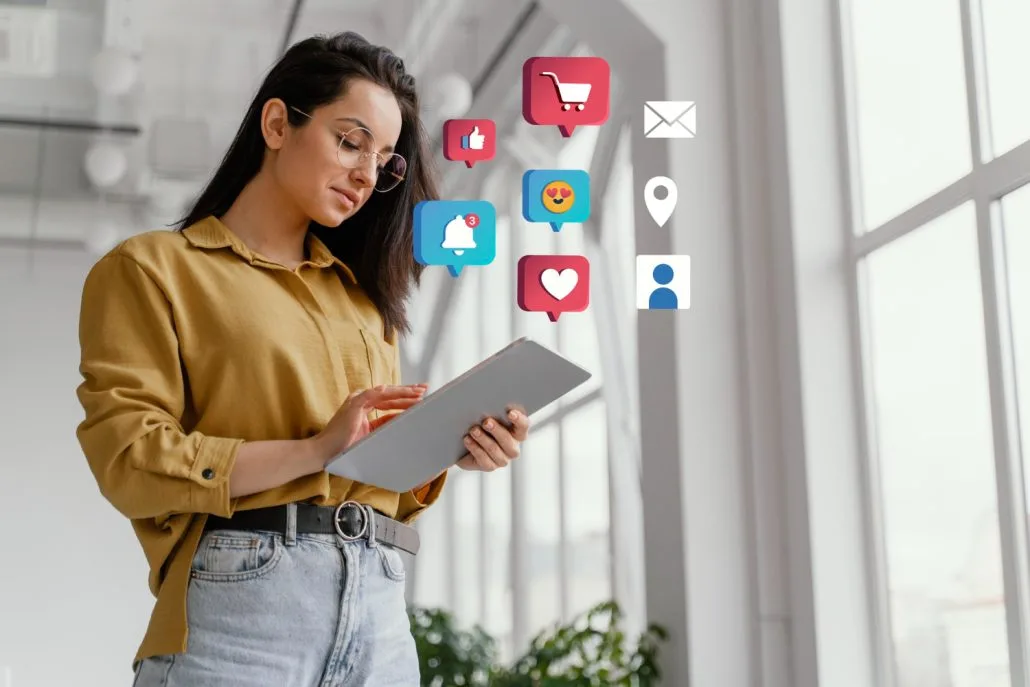
Introduction to the importance of integrating social networks and loyalty
In today's digital landscape, linking loyalty programs to social networks is no longer a choice but an essential strategy. Social networks are not just channels for promotion but fundamental platforms for building lasting relationships with customers. This integration enhances engagement and turns followers into loyal consumers, driving sustainable business growth.
Understanding the main concepts: social networks, loyalty programs, and engagement
Before taking action, it is crucial to understand the involved elements:
- Social networks: platforms where brands interact directly with the audience, facilitating communication, personalized content, and real-time feedback.
- Loyalty programs: systems that reward customers for repeat purchases, engagement, or referrals, strengthening the bond with the brand.
- Engagement: active participation of consumers, whether by liking, commenting, sharing content, or utilizing loyalty program benefits.
Integrating these three dimensions creates an environment that brings the customer closer and encourages actions beyond simple purchases.
Practical strategies for integrating social networks with loyalty programs
To convert followers into loyal customers, actions must be concrete and measurable. Here are the main strategies:
Exclusive and personalized content on social networks
Offering exclusive materials — such as tutorials, discounts, or news — generates value and encourages engagement. The content should be aligned with the audience profile and the platform, for example:
- On Instagram, use interactive Stories to showcase the benefits of the program;
- On LinkedIn, publish success stories and in-depth content for corporate audiences;
- On Facebook, create closed groups for program members to increase the sense of exclusivity.
Gamification applied to engagement and rewards
Including game elements, such as scoring, challenges, and levels, stimulates active participation. For example, sharing posts can earn points convertible into discounts. However, gamification must be part of a broad plan to avoid superficial engagement and ensure genuine loyalty.
Using social commerce to facilitate purchases and accumulate points
Integrating shops within social networks — such as Instagram and Facebook — allows customers to buy and earn points directly on the platform. This agility reduces friction and increases conversion, provided the program rules are clear and simple.
Audience segmentation and personalization of actions
Treating all followers the same way doesn’t work. Segmenting based on behavior, purchase history, and engagement enables offering relevant and personalized offers, increasing adoption and improving brand perception.
Challenges and limitations in integration: what to avoid and how to overcome
Companies face challenges such as:
- Lack of clear objectives: without defined goals, actions lose focus and results are not properly measured.
- Inappropriate platform selection: not all social networks serve every audience or type of program.
- Technical difficulties in integration: disconnected systems cause failures in updating points and rewards.
- Poorly planned gamification: when used out of context, it can cause fatigue and negative perception.
Overcoming these obstacles requires detailed planning, strategic platform selection, robust technological integration, and continuous monitoring of indicators.
Measuring results: key metrics to evaluate success
Monitoring results is essential to adjust strategies. Key indicators include:
- Engagement rate on social networks: likes, comments, shares, and participation in challenges;
- Program adoption and activation rate: number of followers who join and use the program;
- Repurchase rate: frequency and volume of purchases from loyal customers;
- Sales via social commerce: sales made directly through social networks;
- Return on investment (ROI): financial evaluation of integrated actions.
These data enable continuous adjustments to maximize results.
Alternatives and tools to optimize integration
Tools that combine loyalty program management, automation, and direct integration with social networks are the most recommended. The Smartbis platform stands out for offering a comprehensive solution covering gamification, social commerce, and personalization. It facilitates management and monitoring, reduces manual efforts, and increases action efficiency.
With features to segment audiences, create personalized campaigns, and measure results in real-time, Smartbis makes implementation more agile and results-oriented.
Conclusion and next steps for implementation
Integrating social networks with loyalty programs through structured strategies is a proven path to increase engagement and foster customer loyalty. Avoiding oversimplifications, choosing the right platforms, segmenting the audience, using gamification with awareness, and rigorously measuring results are essential steps.
To start with a solid foundation, try the Smartbis platform for free and have a tool that simplifies and enhances this integration, delivering measurable results aligned with your business growth.